What Is Corporate Merch? (And How It Differs from Promo)
Key takeaways
- Corporate merch is branded physical product a company makes and gives away: apparel, drinkware, kits, and gifts that carry a logo and stand in for the brand.
- It overlaps with promotional products and company swag but is not the same thing. Promo leans cheap and transactional, while merch aims to be kept and worn.
- The main categories are branded apparel, drinkware, curated kits, and gifting, each mapped to a job like onboarding, events, or client thank-yous.
- For premium apparel that reads like your own label, a made-in-LA cut-and-sew maker beats a catalog blank. That is where Plucky Reach fits.
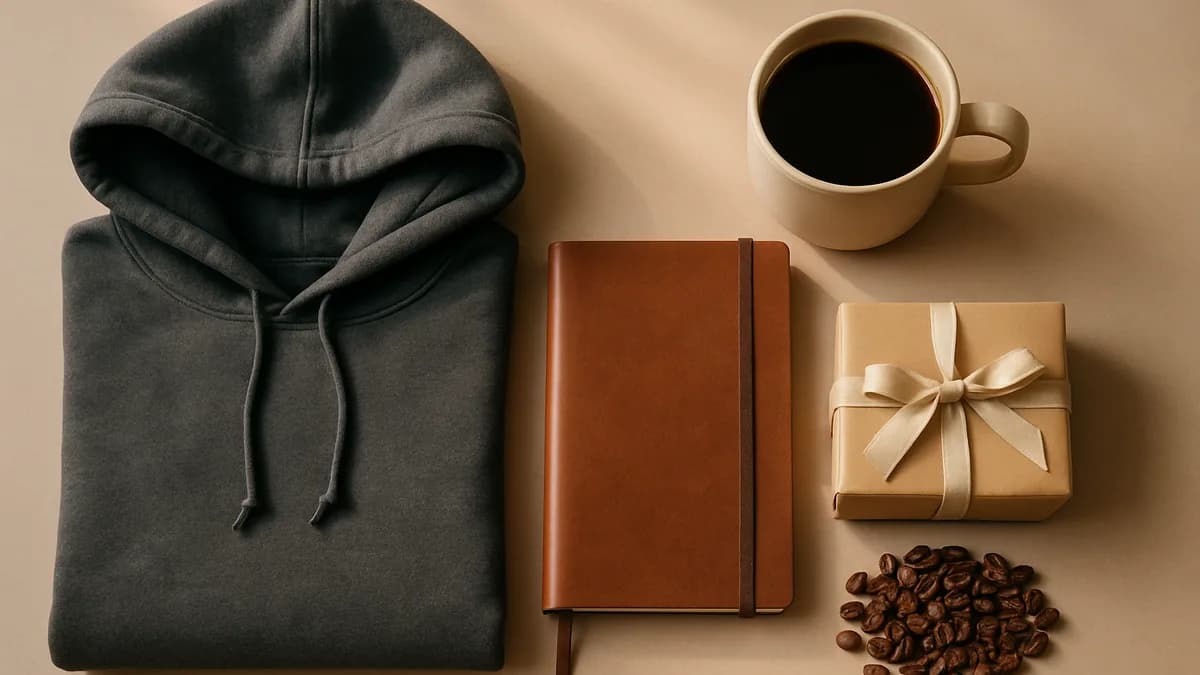
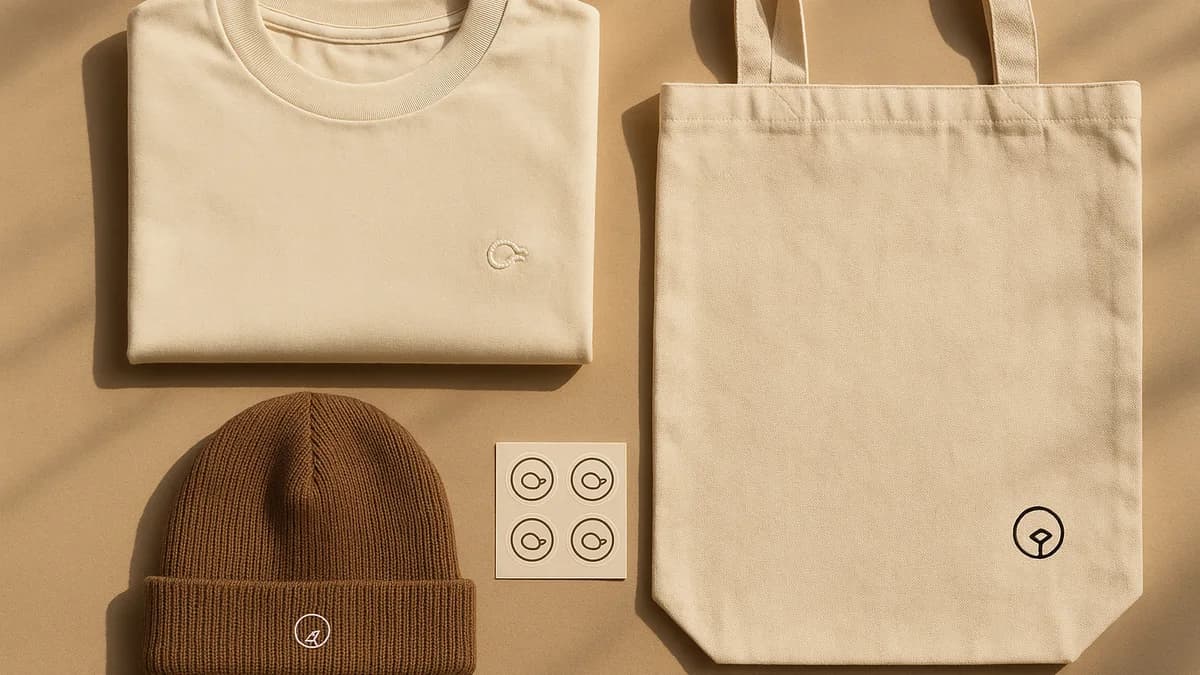
Corporate merch is branded physical product a company makes and hands out: apparel, drinkware, kits, and gifts that carry a logo and represent the brand. Think team hoodies, a welcome box for a new hire, or a jacket handed out at a conference. It is not an ad you rent for a month. It is an object someone keeps. Companies invest in it to onboard staff, thank customers, and turn a shelf of branded merchandise into walking impressions that live far longer than a paid campaign. If you want it built well rather than pulled from a stock catalog, our corporate merch service produces custom apparel in Los Angeles, made to order.
What is corporate merch, in plain terms
Strip away the jargon and it is simple. Corporate merch is stuff with your brand on it that you give to people you care about: employees, customers, partners, and event crowds. The word covers a wide range, from a five-dollar tote to a three-hundred-dollar embroidered outerwear piece, and that range is exactly why the term gets fuzzy. What ties it together is intent. This is not product you sell for revenue and it is not a coupon. It is a physical thing meant to build affinity, mark a moment, or make someone feel like they belong to your team.
Two features separate real merch from a random logo item. First, it is chosen to be used, not tossed. Second, it carries the brand in a way that feels deliberate rather than slapped on. When both are true, the item does its job every time someone reaches for it.
How corporate merch differs from promotional products
People use the phrases interchangeably, and that causes bad buying decisions. Promotional products are the classic giveaway economy: pens, stress balls, cheap tees, and trade-show trinkets bought in bulk to be handed to strangers. The goal is reach and low unit cost. Corporate merch shares the same DNA but flips the priority. It aims higher. Built to be kept, worn, and associated with real quality, it carries a bigger spend per item and points at a narrower, warmer audience of people who already have some reason to care about your brand.
The clearest way to see the split is to line the two up side by side on the factors buyers actually weigh when they compare a giveaway budget against a program built to last.
Neither column is wrong. A trade show still calls for cheap, high-volume promo, and no one should cut-and-sew a giveaway pen. The mistake is buying one when you needed the other, then wondering why the branded apparel sat in a closet or the giveaway pile vanished without a trace. We break the money side of that down further in our promotional products ROI report.
Company swag and corporate merch are not identical
Swag is the friendlier, internal-sounding cousin. Most teams use the word for the branded stuff employees actually enjoy: the good water bottle, the soft hoodie, the sticker pack in the onboarding kit. That is really a subset of merch aimed inward, at culture and belonging rather than outward marketing. So swag is company merch you would want on your own desk, and corporate merch is the broader umbrella that also covers client gifting, event pieces, and outward-facing brand plays. The distinction matters when you plan a program, because internal swag and client-facing gifting call for different quality bars, different budgets, and sometimes different suppliers. Our roundup of company swag ideas for 2026 digs into the internal side specifically.
Types of corporate merch that companies actually buy
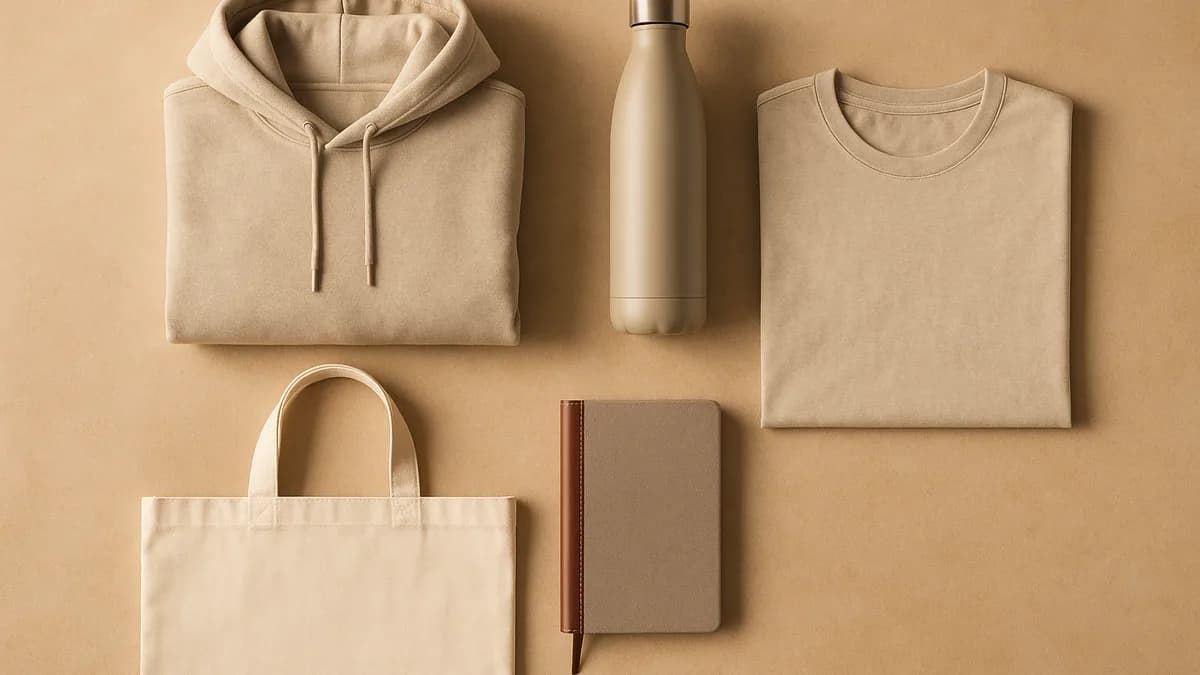
Most programs pull from four buckets. Knowing them makes it far easier to brief a supplier and set a budget that matches the goal.
- Branded apparel. Hoodies, tees, caps, and outerwear. This is the heart of most merch because clothing gets worn in public, which is where the brand impressions come from. It is also where quality shows most, since fit and fabric decide whether a piece lives in rotation or in a drawer.
- Drinkware and everyday carry. Bottles, tumblers, mugs, and tote bags. High utility, seen daily, and a safe entry point for a first program.
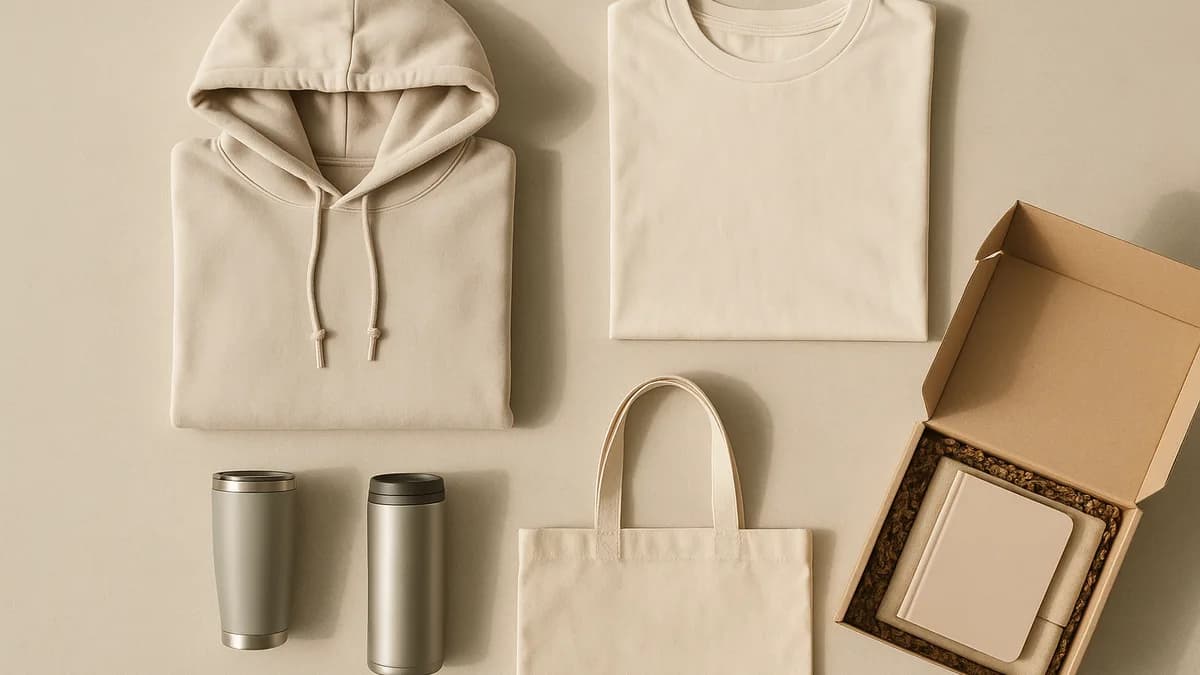
- Curated kits. A boxed set, often apparel plus a few smaller items, assembled for a moment like a new-hire start date or a customer milestone. Kitting turns individual items into an experience.
- Gifting. Higher-end single pieces sent to clients, partners, or top performers, where the item is meant to feel like a real gift rather than a logo drop.
A mature program mixes these. A startup might run one great hoodie. A larger company runs onboarding kits, a client gifting tier, and event apparel, all pulling from the same brand system so everything looks like it came from one place.
How companies use corporate merch day to day
Planning a merch run? Get a free quote from our LA team.
Tell us your pieces and quantities. We make retail-quality corporate merch in Los Angeles and will follow up with pricing and lead times, usually within 24 hours.
The item is only half the story. Where it lands is what turns spend into value. A few patterns cover most of what good teams do with branded merchandise.
- Onboarding. A welcome kit on day one makes a new hire feel chosen, not processed, and it quietly sets a quality tone for the whole company.
- Events. Conference apparel and booth giveaways create a visible crew and put the logo in every photo and hallway.
- Client relationships. A thoughtful gift after a deal or a renewal does more for retention than another email ever will.
- Brand and community. Corporate merch people genuinely want to wear turns customers and fans into a volunteer marketing team.
Notice the through-line. In every case the value of corporate merch comes from the item being kept and used, which is exactly why quality is not a vanity concern but the whole engine that decides whether the spend returns anything at all over the life of the piece. Cheap merch that gets discarded delivers one weak impression. A garment someone reaches for weekly delivers hundreds, at a cost per wear that keeps dropping the longer it survives.
Not sure what your program should include or how custom to go? Tell us the audience, quantity, and timeline, and we will map it to the right mix and give you a straight quote. See our corporate merch service or contact our LA team.
Why made-in-LA cut-and-sew changes the result
When apparel is the centerpiece, there is a real fork in the road. You can decorate a stock blank, which means printing your logo on the same garment thousands of other brands are using, or you can build the garment itself. The second path is what a cut-and-sew manufacturer does, and it is a different product entirely. You control fabric weight, fit, color, trims, and the interior label, so the piece reads as your own line rather than a giveaway that happens to have your name on it.
Making that here has practical upside too. Local production means faster physical samples, easier press checks, honest made-in-the-USA provenance, and tighter turnarounds, because your order is not sitting on a container ship three time zones away. That is the case for producing corporate merch through cut-and-sew manufacturing in Los Angeles rather than sourcing a decorated blank from a catalog, and it is why our corporate merch service is built around apparel first.
How to get started with a program
You do not need a huge budget or a dedicated team to begin. You need a clear goal and one good decision about quality. Run through these steps and the plan tends to write itself.
- Name the job. Onboarding, an event, client gifting, or brand. Each points to different items and price points, so decide this first.
- Set the audience and quantity. Fifty warm insiders is a different order than five thousand cold giveaways, and the two rarely share a supplier.
- Pick your quality bar. Decide honestly whether the item needs to be kept and worn or just handed out, because that single call drives everything downstream.
- Choose the right maker. Catalog and promo distributors win on speed and breadth, while a manufacturer wins on custom apparel and provenance.
- Plan the reorder. A supplier that stores your specs keeps color and fit consistent batch to batch, so the second run matches the first.
Start small if you are unsure. One excellent hoodie or one well-made kit teaches you more about what your people will actually wear than a giant order of something nobody asked for. Test, then scale.
Common mistakes to avoid
A handful of errors sink programs regardless of budget or supplier. They are worth naming before you sign anything.
- Buying on unit price alone. The cheapest option is usually the most expensive per wear once it gets thrown out early.
- Buying for the buyer, not the recipient. A piece the marketing team loves but employees never wear earns zero impressions.
- Treating apparel like a commodity. Fit and fabric are what make someone keep a garment, and those are exactly the things a stock blank cannot change.
- Ignoring lead times. The best supplier for a dated event is the one that can actually hit the date, so ask about timelines before you fall for a product.
- No plan for reorders. A one-off with no stored specs means the next batch drifts on color and sizing.
Get these right and the rest is detail. A mid-tier supplier used well beats a flashy vendor used carelessly, every time.
Frequently asked questions
What is corporate merch?
It is branded physical product a company makes and gives away, such as apparel, drinkware, kits, and gifts that carry a logo and represent the brand. Unlike a paid ad, it is an object people keep and use, which is where its value comes from.
How is corporate merch different from promotional products?
Promo products are cheap, high-volume giveaways built for broad reach, while merch is built to be kept and worn, so it costs more per item and targets warmer audiences like employees and clients. The goals differ, and buying one when you needed the other is a common mistake.
Is company swag the same thing?
Swag is really a subset aimed inward at employees and culture, like the good hoodie or the onboarding kit. The broader umbrella also covers client gifting and outward-facing brand pieces, so all swag is merch but not all merch is swag.
What types of merch do companies buy most?
Four buckets cover most programs: branded apparel, drinkware and everyday carry, curated kits, and higher-end gifting. Apparel is usually the heart of it because clothing gets worn in public, which is where brand impressions come from.
How do I start a corporate merch program?
Name the job, set your audience and quantity, pick a quality bar, choose the right maker, and plan the reorder. Starting with one excellent item teaches you more than a large order of something nobody asked for.
Get a Corporate Merch Quote | Use Our Cost Calculator | Contact Us
Related reading: Best corporate merch companies in Los Angeles · Company swag ideas for 2026 · Promotional products ROI in 2026 · Cut-and-sew manufacturing
Planning a merch run? Get a free quote from our LA team.
Tell us your pieces and quantities. We make retail-quality corporate merch in Los Angeles and will follow up with pricing and lead times, usually within 24 hours.
Plucky Reach
Fashion Business Consulting • Los Angeles Fashion District
Plucky Reach is a fashion business consulting firm based in the Los Angeles Fashion District. We have helped 1,000+ clothing brand founders go from idea to production, from first sketch to retail shelf. Our team has 20+ years of direct relationships with LA garment manufacturers, and we specialize in connecting emerging brands with the right production partners.