Premium vs Cheap Swag: Why Retail-Quality Wins in 2026
Key takeaways
- Cheap swag is a false economy. It gets thrown out fast, which means fewer brand impressions and a lower return than a better item that people keep.
- Premium swag drives real perception: 90% of people report a better view of a brand after a quality item, and 48% keep useful ones for five years or more (PPAI Product Power 2026).
- Quality feels like fabric, fit, design, and packaging. Those are exactly what a stock giveaway skimps on.
- You do not need the biggest budget to look premium. A few smart choices beat a pile of forgettable freebies.
Premium vs cheap swag is really a question about what happens after the handoff. Cheap swag gets used once, or never, and ends up in a drawer or the trash. Premium swag gets worn, carried, and kept, and every one of those days is another brand impression at no extra cost. The gap is not just taste. It shows up in the data on perception, retention, and return. This guide explains what actually separates premium swag from the cheap kind, why the cheap version costs more than it looks, and how to buy quality without blowing the budget. If you want merch built to be kept, our corporate merch service makes it in Los Angeles.
What is the difference between premium and cheap swag?
The difference is felt in the hand before it is seen. Cheap swag uses thin fabric, loose construction, generic fit, and a logo slapped on a stock blank. Premium swag uses better materials, cleaner construction, a considered fit, and thoughtful details. One reads as a handout. The other reads as something a person might have bought for themselves. That single shift, from giveaway to keepsake, is what changes every number downstream, because people keep and use the things they actually like.
Premium vs cheap swag, side by side
The tradeoff is clearest in a table. Same idea, two versions, very different outcomes.
Look down the premium column. Every row that matters to a marketer points the same way.
Why cheap swag is a false economy
The cheap option always wins on the quote and loses everywhere else. A flimsy tote or a scratchy tee costs less per unit, but if it gets tossed in a week, its cost per impression is sky-high and its brand impact is negative. There is a perception penalty too. PPAI research found that nearly 28% of people say a product that seems low quality makes the brand behind it feel cheap. Read that again. Bad merch does not just fail to help. It can actively work against the brand it carries. That is the trap of buying on unit price alone, and we run the full math in our promotional products ROI report. The damage rarely shows up on a spreadsheet either, because a client who quietly files your logoed pen under junk, or a new hire who never once wears the scratchy welcome tee, is a lost impression that no report will ever flag, which is precisely what makes cheap merch so easy to keep buying year after year.
The data behind premium swag
Quality is not a vibe. It is measurable. PPAI's Product Power 2026 research found that 90% of people report a better perception of a brand after receiving a quality promotional item, 83% feel more appreciated, and 48% keep genuinely useful items for five years or longer. Those are not small effects. A premium item is a gift that keeps advertising, and the longer it stays in use, the lower its true cost per impression falls. Cheap giveaways cannot compete on that timeline, because they do not survive long enough to try.
Cost per wear is the metric that makes this concrete. Take the unit price of an apparel item and divide it by how many times it actually gets worn. A cheap tee that pills after three washes and becomes a rag has a brutal cost per wear, no matter how low the sticker looked. A heavier, well-made piece that someone reaches for every week keeps dividing that same one-time cost across hundreds of wears, and hundreds of impressions, until the premium version is quietly the cheaper one. That is the whole argument in a single number, and it is why we lead our ROI analysis with it.
Premium swag ideas by category
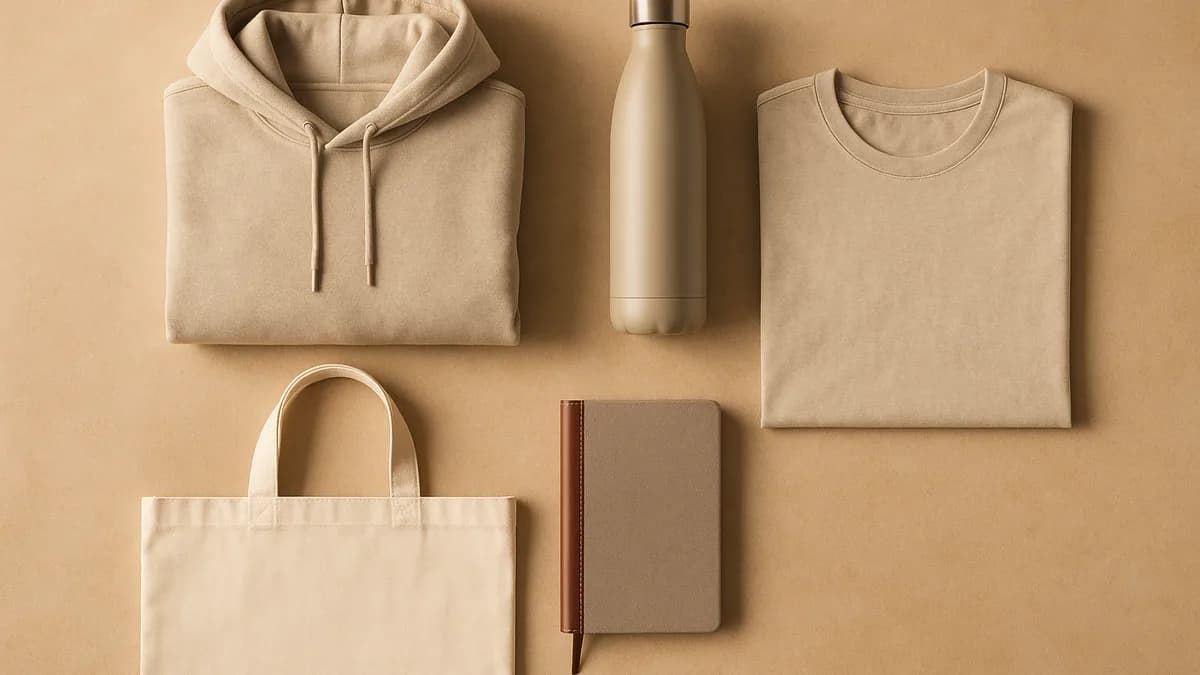
Premium is easiest to picture as specific, upgradeable items rather than an abstract standard. A few categories reward the extra spend the most.
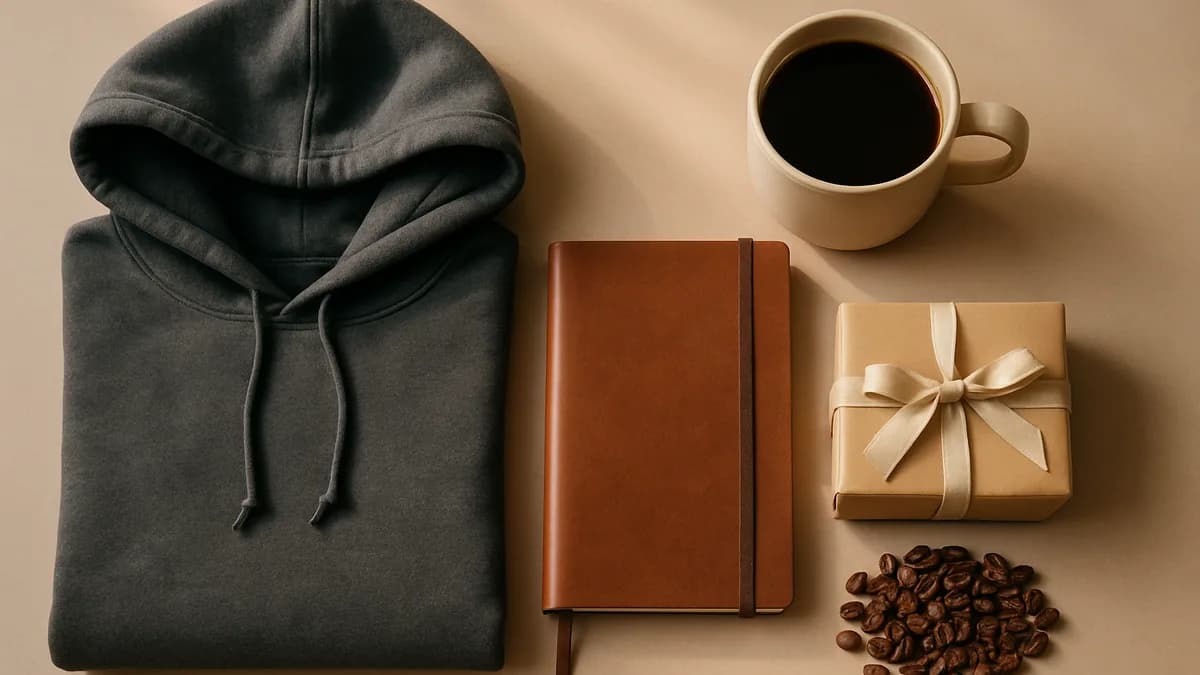
- Apparel. A heavyweight hoodie or a well-cut tee is the clearest upgrade. People wear good clothing and quietly retire bad clothing.
- Drinkware. A solid insulated bottle or tumbler earns a spot on a desk and travels everywhere. A flimsy plastic cup does not.
- Bags. A sturdy tote or a real backpack gets carried for years. The impressions add up fast.
- Notebooks and desk items. A quality notebook stays in use through dozens of meetings. A thin one gets recycled.
- Onboarding kits. A small, curated set of good items beats a big box of forgettable ones for making a new hire feel welcome.
The theme is consistent. Pick things people already want, then make them a notch nicer than expected.
What makes swag feel retail-quality
Planning a merch run? Get a free quote from our LA team.
Tell us your pieces and quantities. We make retail-quality corporate merch in Los Angeles and will follow up with pricing and lead times, usually within 24 hours.
Premium is the sum of a few concrete things, not a single luxury flourish.
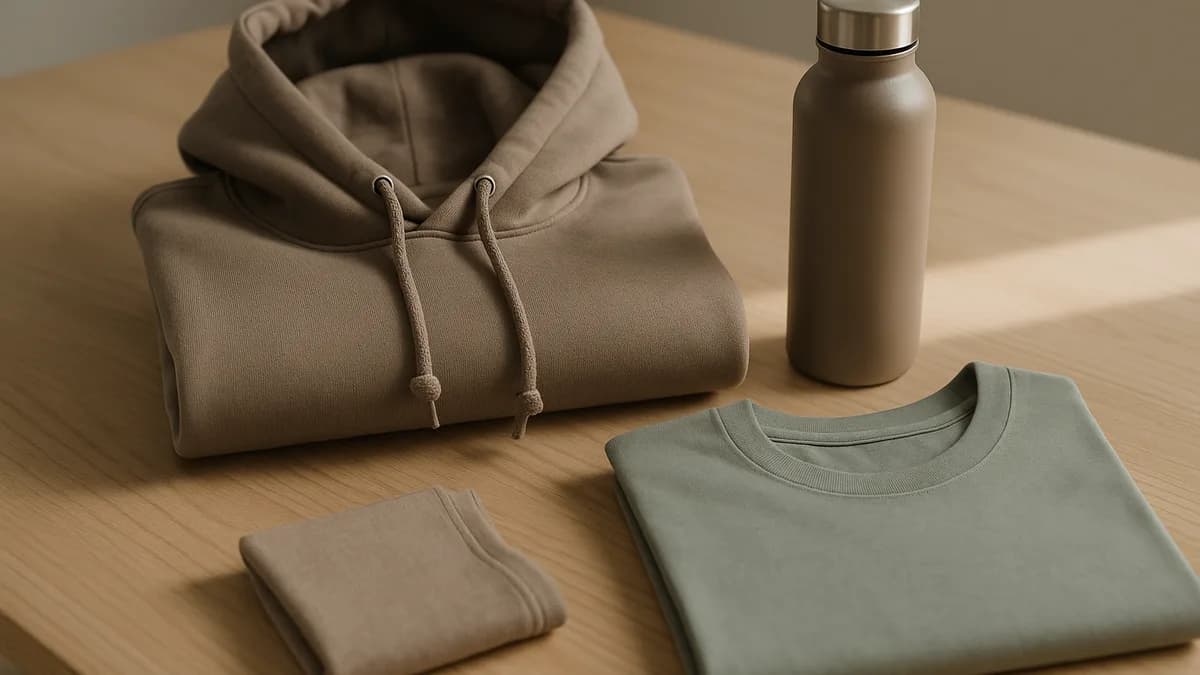
- Fabric. Heavier, softer, better-wearing materials feel different the moment someone picks the item up.
- Fit and construction. A modern cut and clean stitching are the difference between a shirt people wear and one they donate.
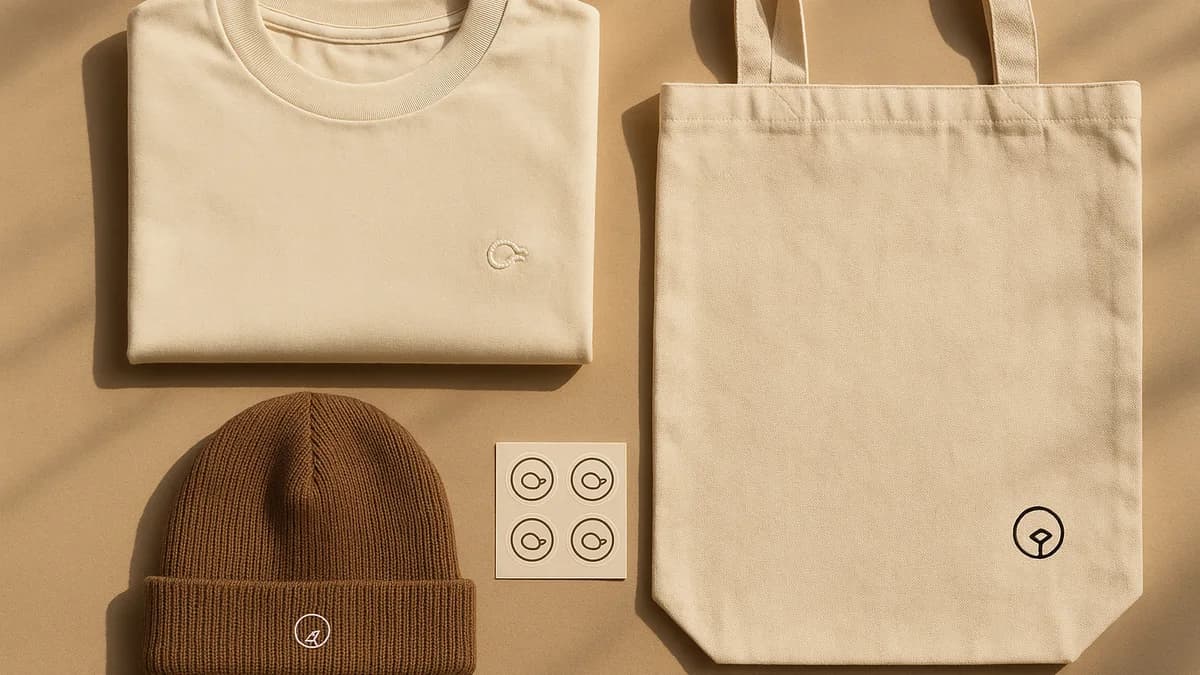
- Restrained branding. A subtle, well-placed logo reads as a brand people want to wear, not a walking billboard.
- Color and design. Colors matched to the brand, and a design that would look at home in a store, signal care.
- Packaging. A clean unboxing turns a handout into a moment, and it costs less than most buyers assume.
None of these are exotic. They are the ordinary details a stock giveaway skips to hit a price, and they are exactly what recipients notice.
How to buy premium swag on a budget
Premium does not have to mean expensive. It means deliberate. A few moves get you most of the way there without a blank check.
- Buy fewer, better items. One thing people keep beats five things they toss. Cut the quantity, raise the quality.
- Pick high-use categories. Apparel, quality drinkware, and good bags get used daily, so the spend earns its keep.
- Spend on fabric, save on flash. A heavier blank with a simple logo beats a cheap blank with a loud print.
- Order to the right quantity. Hitting a price break lowers the per-unit cost, so you can upgrade quality with the savings.
- Skip the novelty. Gimmicks feel cheap fast. Timeless, useful items age better and cost no more.
Done well, a leaner premium program costs about the same as a bloated cheap one, and it works far harder. The budget did not grow. It just stopped being wasted.
When cheap swag is actually fine
Honesty helps here, because premium is not always the answer. For a massive trade-show scatter where the goal is sheer reach, an inexpensive item that thousands of people touch can make sense. For a one-day event with no lasting relationship, a low-cost giveaway is fine. The line is simple. If the item represents the brand to people who matter, buy quality. If it is pure volume with no expectation of being kept, cheap can do the job. The mistake is using giveaway logic for keepsake moments, and handing a valued client or a new hire something that feels disposable.
The simple rule for choosing
Here is the shortcut. Ask one question about any item: will the person keep this? If the honest answer is yes, quality pays for itself many times over, because a kept item advertises for years while costing you only once, and the recipient reads that quality as respect. If the honest answer is no, do not gold-plate it. Buy the cheapest version that does the volume job and move on. Most budget mistakes come from getting this backward, spending premium money on throwaway moments while pinching pennies on the pieces that clients and new hires will actually judge you by. Match the spend to the keep. That is the whole rule.
Building a premium swag program
A premium program is not about one showpiece item. It is about consistently choosing things people want to keep, making them well, and presenting them with a little care. That is the work we do at Plucky Reach, producing made-in-Los-Angeles apparel and merch built to last rather than to be thrown out. Consistency is the quiet part that ties it together, because when every item a company hands out, from the new-hire hoodie to the client gift to the conference tote, clears the same bar, the brand starts to feel like a brand rather than a string of one-off orders that happened to share a logo. Small choices, repeated. That is what a program really is. If you are weighing suppliers, our roundup of the best corporate merch companies in Los Angeles lays out who fits which kind of program, and our custom company apparel cost guide shows what the quality actually runs.
Want swag people keep instead of toss? See our corporate merch service or talk to our LA team about building a premium program on your budget.
Frequently asked questions
Is premium swag worth the extra cost?
Usually, yes. Premium items get kept and used for years, so they generate far more brand impressions per dollar than cheap swag that gets discarded. PPAI found 48% of people keep useful items for five years or more, which is what makes the long-run cost so low.
Why does cheap swag hurt my brand?
Because quality signals care. PPAI research found nearly 28% of people say a product that seems low quality makes the brand feel cheap, so a flimsy giveaway can actively work against the brand it carries.
What makes swag feel premium?
Better fabric, a modern fit and clean construction, restrained branding, brand-matched colors, and thoughtful packaging. These ordinary details are what a stock giveaway skips to hit a low price.
How can I make swag feel premium on a small budget?
Buy fewer, better items in high-use categories, spend on fabric rather than loud printing, order to a price break, and skip novelty gimmicks. A leaner premium program often costs about the same as a bloated cheap one.
Is cheap swag ever the right choice?
Yes, for pure-volume moments like large trade-show giveaways where reach matters more than retention. Save premium for items that represent the brand to people who matter, like clients and new hires.
Get a Corporate Merch Quote | Use Our Cost Calculator | Contact Us
Related reading: Promotional products ROI in 2026 · How much custom company apparel costs · 2026 sustainable corporate merch report · Cut-and-sew manufacturing
Planning a merch run? Get a free quote from our LA team.
Tell us your pieces and quantities. We make retail-quality corporate merch in Los Angeles and will follow up with pricing and lead times, usually within 24 hours.
Plucky Reach
Fashion Business Consulting • Los Angeles Fashion District
Plucky Reach is a fashion business consulting firm based in the Los Angeles Fashion District. We have helped 1,000+ clothing brand founders go from idea to production, from first sketch to retail shelf. Our team has 20+ years of direct relationships with LA garment manufacturers, and we specialize in connecting emerging brands with the right production partners.