Custom Knitwear Manufacturer in Los Angeles

Custom knitwear manufacturer in Los Angeles. Sweaters, cardigans, pullovers, and knit dresses in merino, cashmere, cotton, and acrylic. Fully fashioned and cut and sew. Intarsia and jacquard available. Private label ready, low MOQ.

50+ piece minimumLow MOQ knitwear production
6-10 week turnaroundFrom sample approval to delivery
Fully fashioned & cut and sewPremium and standard construction
Full package productionYarn sourcing through packaging

Your Trusted Knitwear Manufacturing Partner

A full package knitwear manufacturer in Los Angeles — fully fashioned and cut and sew knitwear production for sweaters, cardigans, knit tops, and knit dresses. From yarn and trims sourcing and knitwear sample making to bulk knitting, linking, boarding, and custom knitwear labels, finishing and packaging, and quality control — we manage every step. Intarsia and jacquard color work available. Need a small run? We offer small batch knitwear production from 50 pieces. Want your own label? We're a private label knitwear manufacturer with custom woven labels, care labels, and branded packaging. Compare with our hoodie manufacturing or jacket manufacturing services, estimate your knitwear production cost, and explore our complete clothing production services in Los Angeles.

Fully Fashioned Knitwear Manufacturing

Fully fashioned knitwear manufacturer in Los Angeles. Each panel shaped on the flat-bed knitting machine — no cutting of knit fabric, zero waste. Panels joined by specialist linking operators using loop-to-loop linking machines. Fully fashioned construction for merino, cashmere, lambswool, alpaca, and cashmere/merino blend sweaters, cardigans, and knit dresses. Computerized flat-bed knitting for complex shaping, intarsia color work, and jacquard repeat patterns. Machine programming and stitch files included in full package pricing.

Custom and Private Label Knitwear

Full package knitwear manufacturer handling yarn sourcing, machine programming, knitting, linking, trim application, boarding, steaming, and branded packaging. Custom woven labels, printed care labels (FTC fiber content and care compliant), branded hangtags, and polybag or rigid gift box packaging. Private label knitwear from 50 pieces. Cashmere and luxury knitwear packaging in tissue-lined rigid boxes for DTC and boutique retail. Fiber content documentation and country-of-origin compliance included.

Intarsia and Jacquard Color Knitwear

Intarsia knitwear manufacturer — placement color motifs, color-block designs, and pictorial patterns knitted in as part of the panel construction: no printing, no embroidery, no appliqué. Each color area is a distinct knitted zone with yarn interlocking at the join. Also producing jacquard (Fair Isle) all-over repeat pattern knitwear: two-color or multi-color repeat patterns with float structure. Supply artwork in any vector or raster format — we convert to machine stitch file. Minimum 100-piece recommended for intarsia and jacquard styles.

Low MOQ Knitwear for Emerging Brands

Knitwear manufacturer with 50-piece minimums per style — built for startup knitwear labels, capsule collections, boutique brands, and fashion brands adding a knitwear category. LA-based production enables accessible fit sample revisions and faster turnaround than overseas knitwear factories. Cotton knitwear and acrylic blends for machine-washable collections. Merino and cashmere for premium positioning. Full gauge range from 3GG chunky to 14GG superfine. Small batch to volume — we scale with your brand.

Custom knitwear manufacturer Los Angeles
Knitwear manufacturer Los Angeles
Sweater manufacturer Los Angeles
Cardigan manufacturer Los Angeles
Private label knitwear Los Angeles
Fully fashioned knitwear manufacturer Los Angeles
Our process

Knitwear Production Process

Every step managed — from yarn sourcing and machine programming to linking, boarding, and branded knitwear packaging.

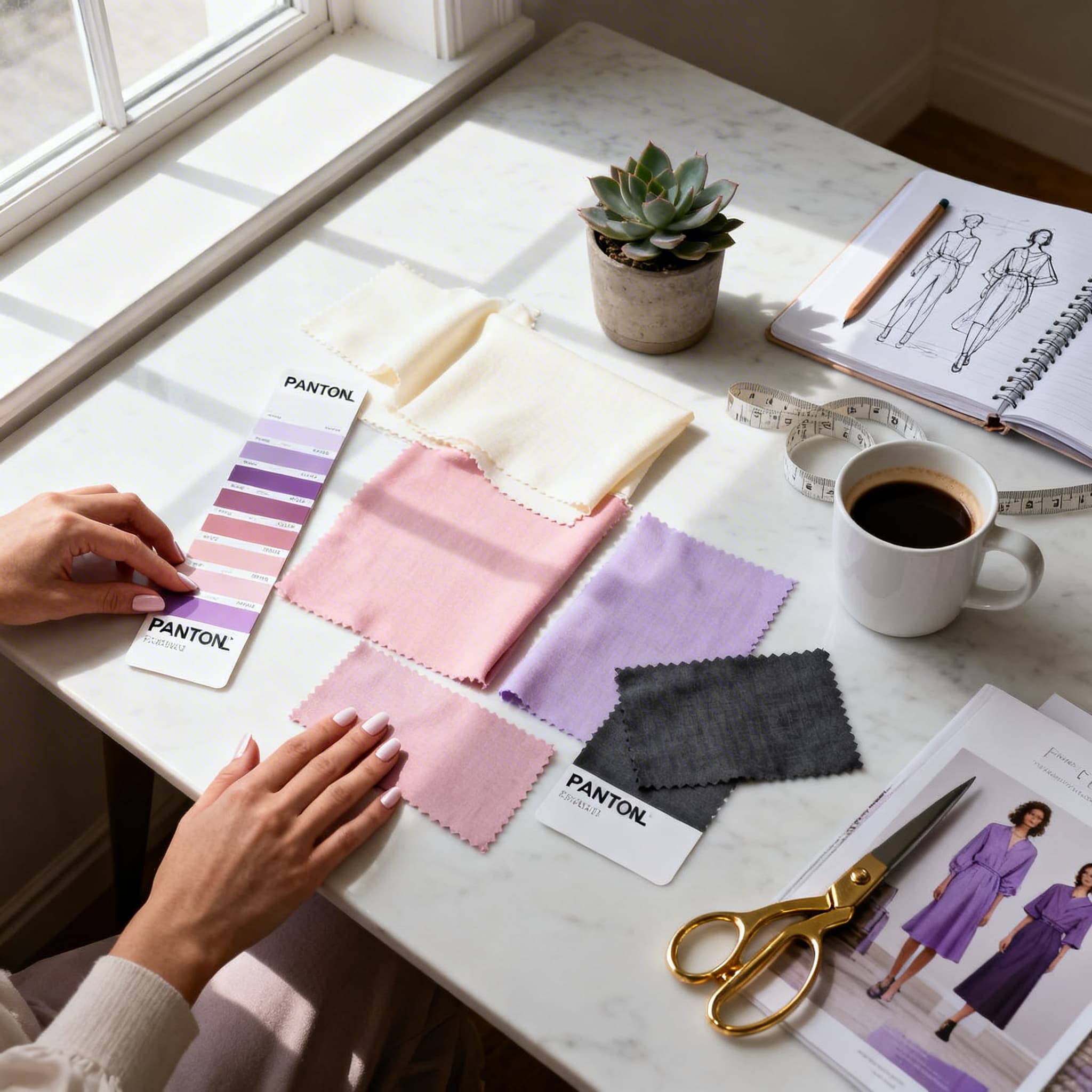
Custom knitwear tech pack review: yarn sourcing, gauge swatch, and machine stitch programming Los Angeles

Tech Pack Review, Yarn Sourcing, and Machine Programming

Your knitwear design is reviewed for construction method (fully fashioned vs. cut and sew), gauge, fiber, stitch structure, intarsia or jacquard pattern, trim details, and care requirements. Yarn is sourced from certified spinners with fiber content documentation locked before programming. Stitch files are programmed on the knitting machine from your tech pack or reference garment — gauge swatch is knit and washed before final production dimensions are confirmed.

Knitwear sample knitting and fit review Los Angeles: fully fashioned panel linking and gauge confirmation

Sample Knitting, Linking, and Fit Review

Sample panels are knit on the programmed machine. For fully fashioned styles, panels are linked by the specialist operator. Rib trim, neckband, and button/closure details are applied. The garment is boarded, steamed, and measured before being sent for fit review. Fully fashioned styles typically require two fit reviews. Intarsia or jacquard color placement alignment is checked and the stitch file adjusted before bulk knitting is approved.

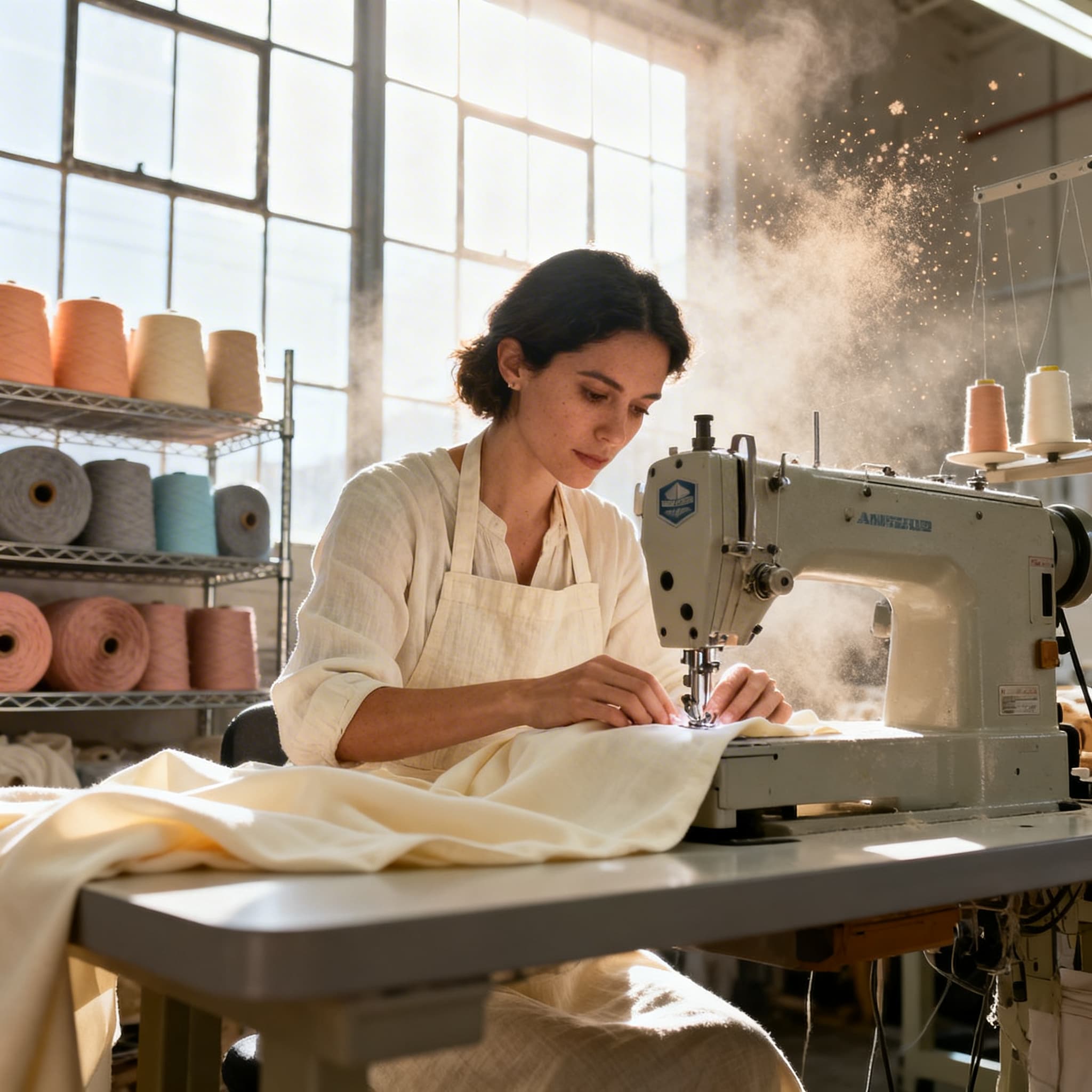
Knitwear bulk production Los Angeles: flat-bed knitting, panel linking, and assembly

Bulk Knitting and Assembly

Approved machine programs run in bulk. Fully fashioned panels are knit, linked, and trim-applied in sequence. Cut and sew rolls are spread, cut, and assembled on serger and coverstitch machines. In-line QC checks gauge, color, and seam consistency at each production stage. Intarsia and jacquard color alignment is checked at the start of each shift.

Knitwear boarding, steaming, and private label packaging Los Angeles: dimensional QC and care label

Boarding, Finishing, and Packaging

Garments are steamed and boarded to finished measurements, then measured against the size spec. Hand-finishing (buttons, hand-stitched pockets, embellishments) is completed. QC checks gauge, dimension, button security, and care label placement. Garments are folded to packaging spec and packed in polybag or rigid gift box with woven label, care label, and hangtag attached.

Ready to start?

Get a production quote for your activewear line.

Get a Quote
Pricing & Questions

Specs, Pricing & Common Questions

Everything you need to know before starting your activewear production run.

Technical Specs and Pricing

Activewear production at a glance

Minimum Order50 pieces per style per colorway (100 pcs recommended for intarsia and jacquard; coordinated knit sets ordered together for yarn lot consistency)
Production Timeline6-10 weeks from approved sample (fully fashioned styles typically require two fit reviews; intarsia add 1 week for stitch file development)
Knitwear StylesPullovers, crewneck sweaters, v-neck sweaters, turtlenecks, mock-necks, cardigans (buttoned, open-front, belted), knit tops, knit dresses, shrugs, vests, chunky knit sets, knit coats and capes
Construction MethodsFully fashioned (shaped on machine, loop-to-loop linking) and cut and sew (roll knit fabric, serged seams). Intarsia and jacquard available.
Gauge Range3GG (super chunky) through 14GG (superfine cashmere/merino) — gauge confirmed per fiber type and style in tech pack
FabricsExtra-fine Merino wool, cashmere (Grade A), cashmere/Merino blend, lambswool, Shetland wool, cotton knit, cotton/linen, acrylic, alpaca (baby alpaca), kid mohair/silk blend
Price Range$20-$65per unit; pricing varies by construction method (fully fashioned vs. cut and sew), fiber (cashmere vs. merino vs. acrylic), gauge, stitch complexity, intarsia/jacquard, and packaging
Private Label and PackagingCustom woven labels, FTC-compliant printed care labels (fiber content, care, country of origin), hangtags, buttons and trims, polybag or gift box packaging from 50 pieces

Pricing varies by construction method (fully fashioned vs. cut and sew), fiber type (cashmere vs. merino vs. acrylic), gauge, intarsia or jacquard requirements, trim complexity, and packaging format.

Get a Quote

Knitwear Manufacturing FAQ

We manufacture a full range of knitwear styles for women's, men's, and unisex brands: pullovers (crewneck, v-neck, mock neck, turtleneck), cardigans (buttoned, open-front, belted, oversized), crew neck and v-neck sweaters, shawl collar and cable knit sweaters, knit tops and cropped sweaters, knit dresses (midi and mini), knit vests and gilets, shrugs and boleros, chunky knit sets (coordinating top and bottom), and outerwear knit coats and capes. We produce in wool, cashmere, cotton, acrylic, and blended fibers across a 3GG to 14GG gauge range — from bulky hand-knit-look sweaters to fine gauge luxury pieces. Coordinated knit collections (matching sweater and cardigan in the same yarn and gauge) are a specialty.
Fully fashioned knitwear is shaped on the knitting machine: each panel (front, back, sleeves) is knit to the exact final shape using increase and decrease stitches at the edges during knitting. There is no cutting of knitted fabric — only trim excess selvedge. Panels are then linked (joined by a specialist linking machine that interlocks loops rather than sewing through fabric), producing a clean loop-to-loop seam with no raw edge. Fully fashioned is the premium construction method: there is no fabric waste, the seams are structurally superior, the garment drapes better, and the panel edges are finished as part of the knitting process. It requires more sophisticated knitting machinery (flat-bed computerized knitting machines) and skilled linking operators. Cut and sew knitwear starts from knitted fabric on rolls — fabric is laid and cut the same way woven fabric is cut, then the cut panels are sewn together on a serger or coverstitch machine. The seam allowance is cut knit fabric — there is a raw edge that must be serged. Cut and sew is faster and more economical for high-volume production and simpler styles. The distinction matters for quality positioning: luxury and premium knitwear brands typically spec fully fashioned; contemporary and fast fashion knitwear uses cut and sew.
Merino wool is the most versatile knitwear fiber: fine-diameter Merino (16–21 microns) is soft against the skin with no itch, has excellent moisture-wicking and temperature regulation, and produces a smooth, pill-resistant fabric in fine gauge (12GG–14GG). Extra-fine Merino (19 microns and below) is the standard for luxury knitwear. Cashmere (from Cashmere goat undercoat) is the luxury standard: softer than Merino, lighter in weight, with a characteristic warmth-to-weight ratio unmatched by other fibers. 100% cashmere is subject to pilling — a cashmere/Merino blend (50/50 or 70/30) improves durability while retaining the softness credential. Lambswool (first shearing from lambs) is softer than standard wool, cost-effective, and used for mid-gauge sweaters and cardigans. Shetland wool (from Shetland Island sheep) is sturdier and used for heritage-style cable knits and Fair Isle patterns. Cotton knit is used for spring/summer knitwear, lighter gauge sweaters, and knit tops — 100% cotton, cotton/linen blend, or cotton/modal. Acrylic and acrylic blends are cost-effective and machine washable — used for mid-market, childrenswear, and contemporary knitwear. Alpaca (from alpaca fleece) is hypoallergenic, softer than sheep wool, with a silky luster — used in premium and boutique knitwear. Mohair (from Angora goat) produces a characteristic halo/fluffy texture — used in small proportions (Kid Mohair/silk blend: 70/30) as the primary fiber or blended with polyamide for structure.
Gauge (GG) refers to the number of stitches per inch of the knitting machine needle bed — it determines the stitch size and the hand feel of the final fabric. We produce across the following gauge ranges: 3GG (super chunky): very large stitches, open texture, bulky hand-knit appearance; used for statement sweaters, chunky knit sets, and blanket-weight pieces. 5GG (chunky): large stitches, rib-knit and basic stitch textures; used for casual chunky sweaters and coats. 7GG (medium/worsted): mid-weight standard; the most common gauge for everyday sweaters, cardigans, and knit tops in wool and cotton. 10GG (light medium): lighter weight than standard, allows more stitch detail; used for finer sweaters and structured knit tops. 12GG (fine): lightweight fine-gauge knitwear that resembles a woven fabric to the eye; used for luxury merino and cashmere sweaters. 14GG (superfine): the finest machine gauge; used for luxury cashmere and extra-fine merino pieces. Gauge selection is driven by the fiber count of the yarn — bulkier yarn cannot run on fine-gauge machines. Gauge is confirmed during the tech pack review before pattern work begins.
Our minimum is 50 pieces per style per colorway for most knitwear styles. For fully fashioned construction, 50 pieces is the minimum due to machine programming and linking setup costs — fully fashioned knitwear requires programming each style on the computerized flat-bed machine, and setup cost is amortized across the production run. Cut and sew knitwear minimums are also 50 pieces per colorway. For intarsia styles (color-pattern knitwear knit in during production), we recommend a 100-piece minimum to absorb the programming and color-change setup time on the knitting machine. Cashmere styles have a higher cost per unit — pricing is driven by raw material cost, not MOQ. Volume orders of 300 or more pieces qualify for tiered pricing. Multi-color coordinated knit sets should be ordered together with minimum 50 pieces per piece (top and bottom ordered at the same time for yarn lot consistency).
Yes. Intarsia is a color-work technique where different colored yarns are knitted into specific areas of the fabric from separate yarn carriers on the flat-bed machine — each color area is a distinct section of knitting, producing a right-side color pattern with a clean reverse (no floats). True intarsia produces large color-block motifs, pictorial patterns, and graphic designs as part of the fabric structure — the color is constructed in, not printed or embroidered. Intarsia requires programming each color zone in the machine pattern file, which increases setup time and per-unit production time versus solid-color knitting. Jacquard knitwear (also called Fair Isle or double-knit jacquard) uses two or more yarn colors carried across the full width of the fabric on every needle row — unused color yarn floats on the reverse side. This produces all-over repeating color patterns (geometric, Fair Isle, bird/animal motifs) with a visible float structure on the inside of the garment. Jacquard produces a double-weight fabric (two layers of yarn on every row) and is warmer and heavier than single-color knitwear of the same gauge. Intarsia is used for placement motifs; jacquard is used for all-over repeat patterns. Both require artwork in repeat format supplied before tech pack review — we convert your artwork to machine stitch file format.
Full package knitwear manufacturing covers every step from yarn sourcing through retail-ready packaging. Yarn sourcing (merino, cashmere, cotton, acrylic, or blend per your spec) from certified spinners with fiber content documentation. Stitch programming (for fully fashioned and intarsia styles) from your tech pack or reference garment. Knitting (fully fashioned panel production or roll knitting for cut and sew). Linking (panel joining for fully fashioned garments) by specialist linking operators. Cut and sew assembly (for cut and sew styles): overlocking, coverstitch, shoulder seaming, sleeve set-in, and neckband attachment. Trim application: buttons, zippers, drawstrings, pockets, and embellishments. Boarding and steaming (shaping the knitted panels to finished measurements on a steam press or boarding machine). Final QC (stitch count per gauge, seam integrity, button attachment, garment dimensions per size spec). Labeling and packaging: woven labels, care labels, hangtags, and polybag or folded box packaging.
Knitwear construction differs from woven apparel in three primary areas: seam methods, panel finishing, and dimensional stability. Seam methods: fully fashioned knitwear uses linking — a process where the loops of two adjacent knitted panels are interlocked stitch-for-stitch on a linking machine. The linked seam has no fabric seam allowance; it is a loop-to-loop join that is flexible, flat, and as strong as the knit structure itself. Cut and sew knitwear uses a four-thread overlock (serger) for body seams and a coverstitch machine for hems and neckbands — the seam allowance is cut fabric and must be controlled with correct stitch tension to prevent the seam from being stretched out during sewing. Panel finishing at edges: fully fashioned garments have a closed loop at all knit edges (neck, waist, sleeve cuffs, hem) produced by the knitting machine — no separate rib trim is required unless specified. Cut and sew styles require a separately knit rib trim (ribbing) attached to the neck, cuffs, and hem by overedging. Dimensional stability: knitted fabrics relax in wet finishing (washing and steaming). Knitwear is always checked for shrinkage before full production begins — a test swatch is washed, dried, and measured against the original dimensions. Garments are also measured after boarding (steam-pressing on a shaped form) to confirm the finished dimensions match the size spec before bulk production is completed.
Yes. Private label knitwear manufacturing includes custom woven labels (brand name and logo, sewn at center back neck or inside side seam), printed care labels with fiber content (required by FTC for all garments sold in the USA), button or closure in specified material and finish (horn, corozo, MOP, metal, plastic), hangtags with your brand artwork, and polybag or folded-box packaging. For cashmere and luxury knitwear, premium packaging (rigid box, tissue paper, ribbon closure) is available for DTC gift and holiday collections. Woven labels for knitwear must include fiber content at the yarn level — if the garment is 70% merino wool and 30% nylon (nylon added for strength), the label must state this exactly. Care label for wool knitwear typically states dry clean only or hand wash cold, lay flat to dry — this is confirmed per fiber and construction type during tech pack review. Private label knitwear from 50 pieces with full label and packaging setup.
Technical depth

Built for Performance, Not Just Looks

Every fabric choice, construction method, and quality standard explained so you can make decisions with confidence.

Knitwear Fabrics: Merino, Cashmere, Cotton, and Acrylic Blends

Yarn selection is the single most important decision in knitwear manufacturing — it determines hand feel, weight, durability, care requirements, and price point. As a clothing manufacturer in Los Angeles, we source knitwear yarns from certified spinners with fiber content and country-of-origin documentation. Yarn is confirmed before sample knitting — yarn substitution in bulk causes gauge and color discrepancies between the approved sample and the production run.

FiberMicron Count / GradeWeight / GaugeCareBest UseKey Property
Extra-Fine Merino Wool17–19 micronsFine to medium (10GG–14GG)Hand wash / machine wash gentle / dry cleanLuxury knitwear, fine gauge sweaters, next-to-skin piecesItch-free; excellent moisture management; high pill resistance in fine micron grades
Standard Merino Wool19–22 micronsMedium to chunky (7GG–12GG)Hand wash / dry cleanEveryday sweaters, cardigans, knit coatsDurable, versatile; temperature-regulating; core volume knitwear fiber
Cashmere (Grade A)14–15.5 micronsFine to medium (12GG–14GG)Dry clean / hand wash coldLuxury sweaters, fine gauge cardigans, and premium knit topsSoftest natural fiber; warmth-to-weight unmatched; subject to pilling without blending
Cashmere / Merino Blend (70/30)14–19 micronsFine to medium (12GG–14GG)Dry clean / hand wash coldLuxury-premium sweaters and cardigans with improved durabilityCashmere softness with Merino pill resistance; preferred for DCT and boutique brands
LambswoolFirst shearing — softMedium (7GG–10GG)Dry clean / hand wash coldMid-market sweaters, cable knits, heritage stylesSofter than standard wool; cost-effective; classic British heritage knitwear
Cotton / Cotton-LinenCombed cotton or cotton/linenLight to medium (7GG–12GG)Machine wash cold / lay flatSpring/summer knitwear, knit tops, lightweight cardigansNon-allergenic; no static; breathable; ideal for warm-weather knitwear
Acrylic / Acrylic BlendSynthetic (various)All gauges (3GG–14GG)Machine wash warmMid-market and fast fashion knitwear, childrenswearFully machine washable; colorfast; cost-effective; wide gauge range
Alpaca (Baby Alpaca)22 microns (baby alpaca)Medium to chunky (5GG–10GG)Dry clean / hand wash coldPremium boutique knitwear, hypoallergenic collectionsHypoallergenic; no lanolin; silky luster; naturally warm; softer than standard wool
Kid Mohair / Silk Blend (70/30)Kid mohair + silkFine to medium on fine gaugeDry clean onlyStatement sweaters with halo effect; fashion knitwearDistinctive brushed / halo texture over a base fiber; lightweight with warmth

Ready to Produce Custom Knitwear?

Get a production quote for your knitwear line. Fully fashioned and cut and sew sweaters, cardigans, and knit tops in merino, cashmere, cotton, and acrylic. Intarsia and jacquard available.

50+ piece minimum
6-10 week turnaround
Fully fashioned available