Fashion Branding: How Small Labels Build a Brand That Sells
Key takeaways
- Fashion branding is the set of decisions that tells a customer what your label stands for before they touch a garment: a promise, proof, a voice, a look, a product range and a price.
- For a small label, fashion branding does the job a big retailer's ad budget does. With 50 to 300 pieces per style you cannot buy attention, so the story has to be clear, specific and checkable.
- The independent womenswear label MAISON MO shows the pattern in public: a one-line promise, named production places, a tight range, a clear price band, numbered releases and a journal that supports the position.
- Shoppers still put price and value first, so fashion branding has to justify the number on the tag with proof, not adjectives.
- Write the brand down before you order samples. It decides your order size, your factory type, what you can say on a label and what you can afford to charge.
In this guide
- What fashion branding is
- Why it matters more for small batches
- What people search for
- Case study: MAISON MO's fashion branding
- The seven decisions to write down
- A worked example: one jacket, two brands
- Where fashion branding meets production
- Eight mistakes to avoid
- A 30-day plan
- How to measure it
- When to get help
- FAQ
Fashion branding decides whether a small batch sells out or sits in a box. That sounds dramatic, but it is a common moment in our work: a founder arrives with beautiful samples and no answer to one simple question: why should a stranger pay this price for this piece from you? This guide is about that answer. It explains what fashion branding is, why it matters more when you make small runs, and how one independent label, MAISON MO, built a position anyone can inspect from the outside, with screenshots and brand assets so you can see the decisions, not just read about them. Then it shows how to build yours in about thirty days, and where fashion branding runs straight into production.
If you are still at the idea stage, start with our guide to starting a clothing brand. If you need a name first, our clothing brand name ideas guide will get you there, and then come back here.
1. What fashion branding is
Fashion branding is the full set of choices that make a customer understand, remember and trust your label: what you believe, who you make for, how you sound, how you look, what you make, what you refuse to make, how it is made and what it costs. Most people hear the term and picture a logo, a mood board or an Instagram grid. Those are outputs. The branding is the thinking behind them.
Fashion branding vs. marketing vs. a logo
People mix up fashion branding, marketing and a logo constantly, so here is the difference in one table.
A label that skips fashion branding and goes straight to ads pays to repeat a message nobody can summarize. A logo is a signature, and a signature with no person behind it is just a mark on a label.
The five factors of fashion branding
There is no official list, and you will find versions with other names, including the "five C's" that often appear in search. This is the practical version for a clothing label.
2. Why fashion branding matters more for small batches
A large retailer can sell average fashion branding with volume, discounts and ad spend. A founder ordering 100 pieces cannot. Fashion branding does three jobs for a small label that money would otherwise have to do.
Two identical black blazers can sit at $90 and $450. The difference is the story, the proof and the consistency around the piece. If you cannot explain why your garment costs what it does, you will lose that comparison every time.
What recent research says about shoppers
The research is mixed in an instructive way. The Conference Board's 2025 consumer survey, as reported by trade press, found that the pull of "Made in USA" labeling has weakened since 2022 and that price and value remain the strongest motivators. The BoF and McKinsey State of Fashion 2026 report describes shoppers as value-conscious, and FashionUnited's coverage notes that some shoppers still say they will splurge when the product is right. Edelman's 2025 Brand Trust special report describes trust as one of the top considerations in what people choose to buy.
The lesson: shoppers are careful with money, but they pay when they believe the piece is right and the label is honest. A story alone does not earn a high price. A story you can prove does.
3. What people actually search for
Before writing this guide we checked what people type into Google in the United States. The numbers are monthly average searches from DataForSEO for November 2026.
- Search the way customers talk. Almost nobody searches for "brand identity" the way founders say it. They search for brands to buy, such as quiet luxury, slow fashion and independent labels.
- Match your position to a real phrase. If your label is craft-led and small, "independent" and "slow" are words your customers already use.
4. Case study: how MAISON MO built a clear fashion brand
MAISON MO is an independent womenswear label founded by Ashley LaBato. We picked it because its fashion branding choices are easy to see from the outside, not because it is a famous name. Everything below comes from its public About page, storefront and journal, plus its brand guideline, and we say where we are giving our own reading.
MAISON MO at a glance
A one-line promise
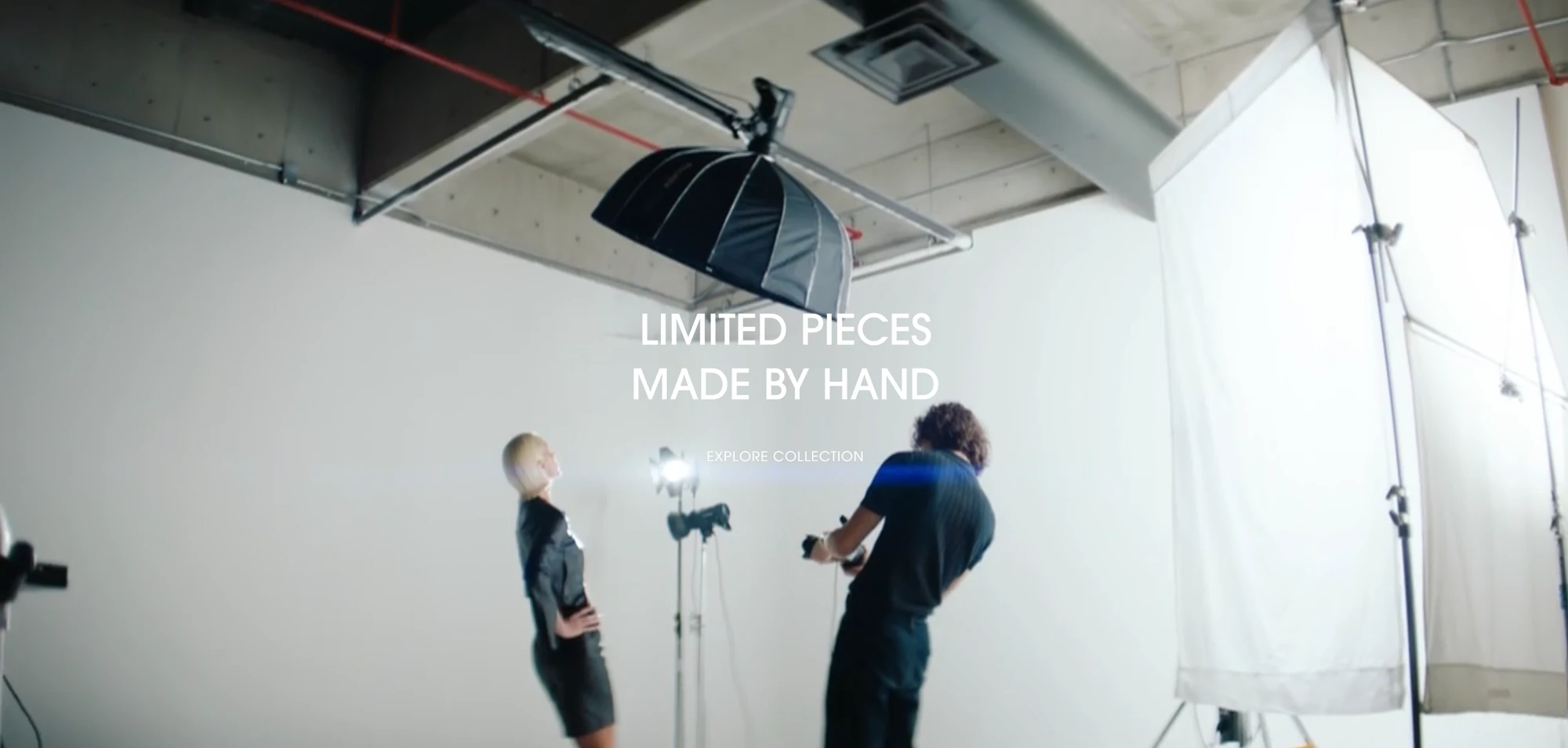
The storefront leads with "Limited Pieces Made by Hand": a promise of scarcity and a claim of handwork. The homepage hero is a single full-screen video with nothing else competing with it, so the brand message lands before any product does, and the promise is repeated in words over a second video further down. A customer knows in a second that the pieces are few and that human hands made them. Compare that with the usual "premium quality fashion for modern women," which could describe almost any label.
Proof with locations
The label's About page says it designs leather, tailoring and refined jersey, made in limited pieces by hand in Portugal and Morocco. Named places work as proof, because a reader can look up the craft traditions of those regions, and that does more work than the word "artisanal" ever could. Naming production places is also a risk, since you have to be able to back it up, which is exactly why it persuades.
A tight range
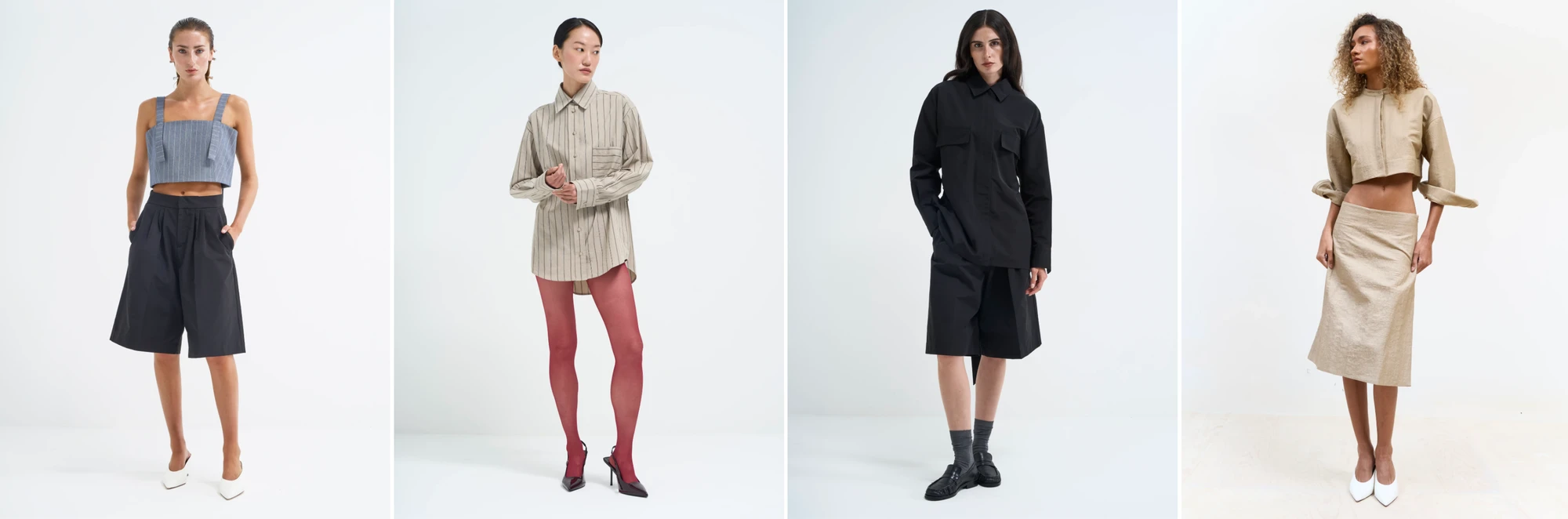
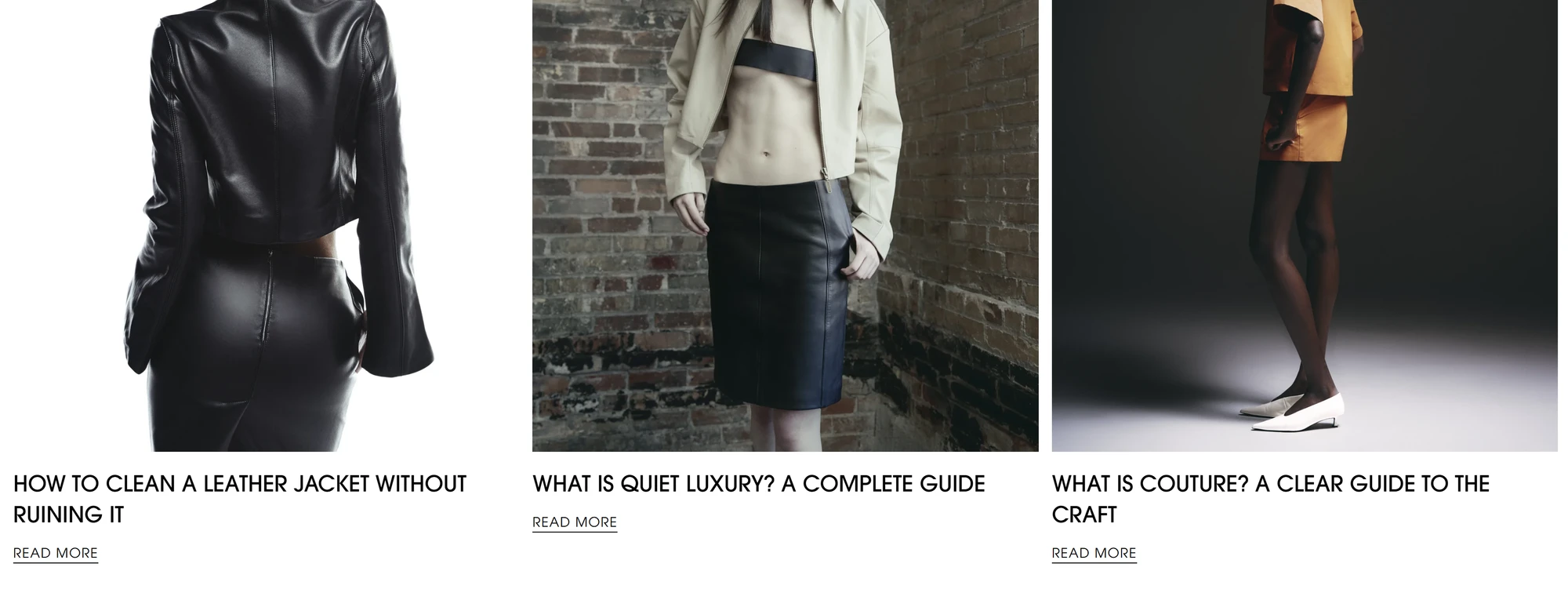
The shop is organized into six categories with a few materials as the focus. A small label that sells everything looks like it has no point of view. A small label that sells a clear set looks like it knows what it is doing, and the product photography below shows the same discipline: one backdrop, one lighting style, one framing.
A price band that fits the promise
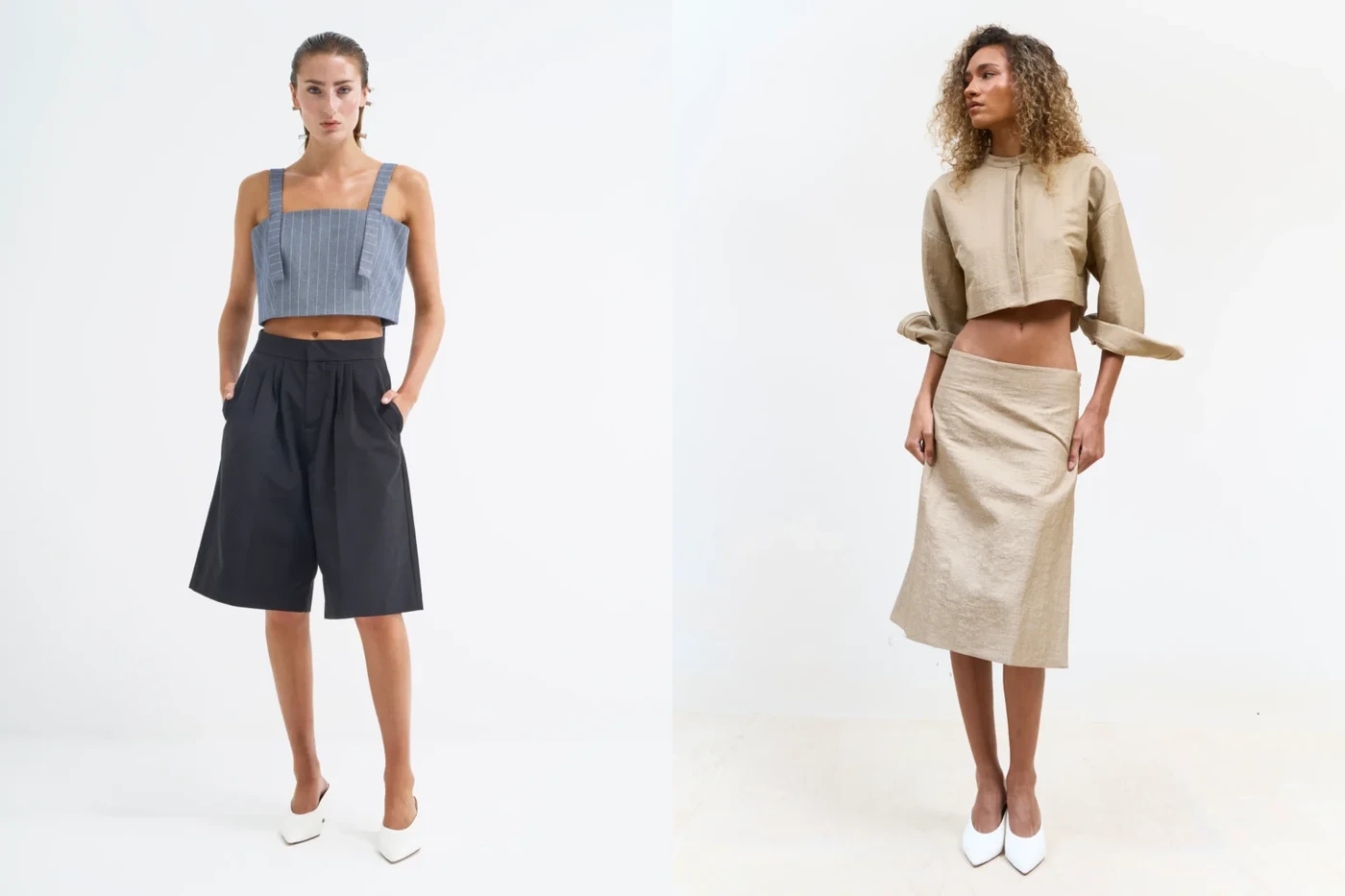
Featured pieces on the homepage run from $175 for the Notation Top to $795 for the Folio shirt. That band matches hand-finished, limited work. A $40 top on the same page would weaken the whole story, and a $4,000 jacket would need a different level of proof. The price is part of the fashion branding, not an afterthought.
A release rhythm
The label has released two numbered volumes, Volume I and Volume II, and has a pre-order section. In our view this is a sound pattern for a small label: numbered volumes make each drop feel distinct, and pre-orders are a common way to let demand guide quantities instead of guessing. We do not know how MAISON MO plans its production, so treat that part as general advice, not a description of their process.
Content that supports the position
The brand's journal publishes plain-language guides on subjects like quiet luxury, couture, capsule wardrobes and nappa leather. Each one pushes the same position: considered, crafted, understated. It also matches what people search for, as the table in section 3 shows, since "what is quiet luxury" and "quiet luxury brands" are both real demand. The same content explains the label and earns search visibility.
The identity system behind it
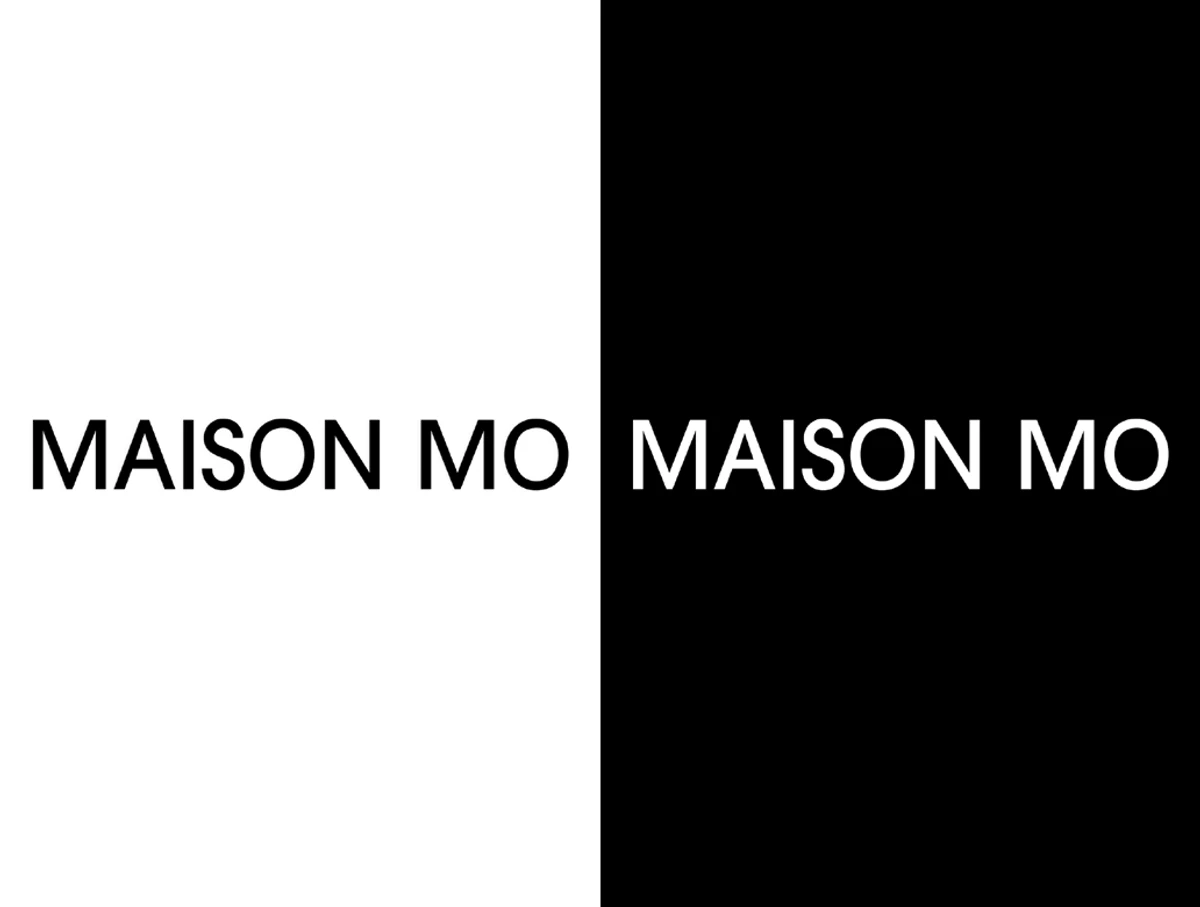
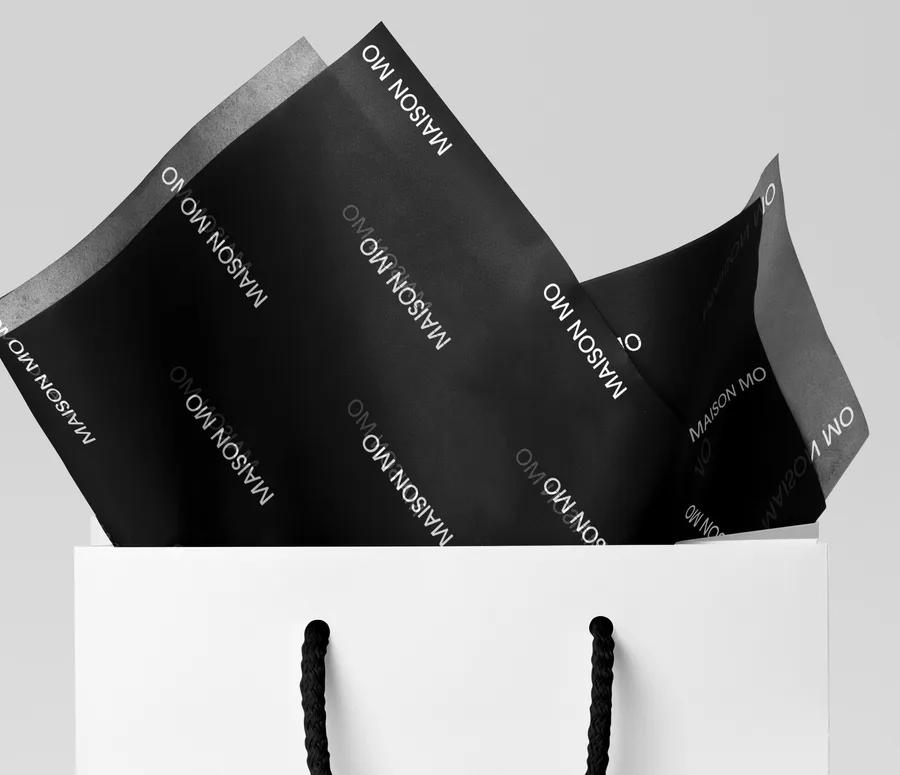
The label also has a written brand guideline that turns the position into objects. The guideline describes a modern geometric sans serif logo, a compact "MMO" mark for small spaces, a handwritten wordmark, a palette of black, white and warm neutrals, and a brand voice described as clean, crisp, classic, elegant and refined. A few pages show what a small label actually needs: a logo that works in more than one color, hang tags and packaging.

What a small label can copy from it
- Write the promise in a few words, and make part of it proof.
- Name where and how it is made, and only claim what you can back up.
- Keep the range small enough that a stranger understands it in ten seconds.
- Set the price band to match the promise, then protect it.
- Release in clear drops, and let pre-orders guide quantity.
- Write the system down once, so every logo, tag and box comes from the same page.
- Publish content that explains your position in the words customers use.
We are not claiming sales numbers for MAISON MO. We do not have verified ones, and inventing a success story would defeat the purpose of a guide about proof. What the public record shows is a label that has released two volumes and keeps a consistent story across product, price, packaging and content. That consistency is the whole lesson of this fashion branding case study.
5. The seven decisions to write down
Put these seven fashion branding decisions on one page before you request a quote or order a sample. Each one answers a question a customer, a factory or a freelancer will eventually ask you.
The fashion branding statement
Your statement is not a slogan. It is the belief your decisions come from. Try finishing this sentence: "We make clothes for people who believe that ___." If the blank could fit any label, it is not specific enough. "We make considered clothes for people who would rather own fewer, better pieces" works because it excludes a lot: fast, disposable, trend-chasing work. Good statements say no to something.
The customer your fashion branding is for
Describe one person in two sentences, including what they do on a Saturday, what they already own that they love, and what frustrates them about the clothes available. Then write one sentence on who the label is not for. The goal is not to exclude anyone rudely. It is to be specific enough that the right customer feels recognized.
The fashion branding voice
Pick three adjectives and three phrases you will never use. A refined, understated label avoids exclamation marks and discount language. A playful streetwear label embraces them. Neither is better, but mixing them confuses people. Test the voice on a product description, a shipping email and an apology for a delay. If all three sound like the same person, you have a voice.
The visual system
Keep it small: a primary logo that works large, a compact mark for small spaces, two typefaces, a short palette and a photo style. The goal is not novelty. The goal is that a stranger shown three of your posts with the logo removed could still tell they are yours.
Product limits
Decide what you make this year and what you say no to. This is the decision that connects branding to manufacturing most directly, because each category needs different skills, fabrics and minimum orders. A leather jacket and a jersey top are two different supply chains.
The price band
Set a range for each category, then test it against real costs before you commit. Our fashion cost calculator gives you a starting range, and our guide to what clothing manufacturing costs explains the pieces. A price band you cannot afford to produce is a fashion branding promise you cannot keep.
Proof
List what you can prove: where it is made, how many pieces, who signs off, which materials and how long you have worked with the factory. Proof is the part that survives skepticism. Adjectives do not.
6. A worked example: one jacket, two brands
This fashion branding example is an illustration, not a real label, but it shows how much work the words around a garment do. Imagine a founder with one wool-blend cropped jacket, made in a run of 80.
Both founders own the same jacket. The second one has made more specific claims, and every one of them is checkable, which is what makes the higher price believable. Notice what the strong version required: a named mill, a workshop that can finish by hand, a quantity decided before the order and a price that covers the real cost. Fashion branding reached back into sourcing and production, which is why it has to be settled first.
The weak version is what happens when the brand is decided after the product. The founder is left describing a jacket in adjectives because there is no story, no proof and no price logic to point to, and fixing that later means reshooting, rewriting and resetting customer expectations after a discount has already taught them what the jacket is worth.
7. Where fashion branding meets production
This is the part most fashion branding advice skips, and it is the part that decides whether your promise survives contact with a factory. Four places it shows up:
Your promise sets your order size
A label that sells "limited pieces" can run small on purpose. A label that sells everyday basics needs reorders and a tight unit cost. In our own audit of 26 U.S. contract and small-batch factories, only 7 (27%) published a minimum order on their own website and 17 (65%) published none. Among those that did, the floors ranged from 0 to 200 units, with a median of 72. The full data is in our US clothing manufacturing benchmark. If your promise depends on small runs, you will have to ask, and you should ask before you design.
Where you make it is part of the story
Some stories are strongest with local production, where you can visit, approve samples in person and fix a fit problem in days. Others suit specialist workshops abroad that have generations of skill in one technique, such as tailoring or leather, which is the route MAISON MO describes on its About page, with production in Portugal and Morocco. The right choice follows the brand, not the other way around.
That is also how we approach it at Plucky Reach. We work with founders from the Los Angeles Fashion District, through a wide network of vetted factories in Los Angeles and vetted overseas partners, and the first question we ask is what the brand has to prove.
What you can say on the label
If you want to claim "Made in USA," the FTC standard applies. Garments sewn in the United States from imported fabric are usually described with qualified wording, not an unqualified claim. A claim you cannot support does not just risk a penalty. It damages the one thing fashion branding is built on, which is credibility.
Samples are a brand test
A sample is the first time your fashion branding becomes an object. If the stitching, weight, hand feel and finish do not match the promise, fix it before production.
8. Eight fashion branding mistakes new founders make
- Starting with a logo only. A logo without a position is decoration. Nothing more.
- Copying a bigger brand's voice. It reads as borrowed, and customers feel it within a few posts.
- Promising what the factory cannot deliver. "Hand finished" or "locally made" must be true, and you should be able to prove it.
- Pricing without costing. A beautiful price band that loses money on every unit is not a strategy.
- Making too many categories. A wide range hides the point of view and multiplies your minimum orders.
- Changing the story every season. Consistency builds recognition, and small labels rarely have the budget to restart.
- Skipping the written guide. If it lives only in your head, every freelancer and photographer will guess.
- Ignoring search language. If customers search "independent fashion brands" and your site never uses those words naturally, they will not find you.
9. A 30-day fashion branding plan
You do not need a six-month agency project to start. Here is a plan a solo founder can finish in a month, before ordering production.
If your plan is further along, our 90-day launch timeline and fashion business plan template cover the next steps.
10. How to tell whether your fashion branding is working
You cannot measure fashion branding with one number, but a few signals move together when it works.
11. When to get help with fashion branding
You can write the one-page fashion branding version yourself, and you should. Outside help makes sense in three cases.
- Hire a brand designer when you need the visual system built well.
- Talk to a fashion consultant when you are stuck on sequencing, sourcing or pricing.
- Talk to a manufacturer early when your promise depends on a specific craft or run size, because they can tell you what is realistic before you commit.
If you want a second opinion on what it takes to produce your first run, you can contact us with your one-page brand and product list.
12. Frequently asked questions about fashion branding
What is fashion branding?
Fashion branding is the set of decisions that tells customers what your label stands for: your promise, audience, voice, visual look, product range, price and proof. It starts before design and continues through every product page and post.
Why is branding important in fashion?
Fashion branding explains why one garment costs more than another that looks the same, it filters your audience and it speeds up decisions. For a small batch label it also replaces the ad budget a big retailer would use to get attention.
What are the five factors of a fashion brand?
A practical set is purpose, audience, voice, visuals and proof. There is no official list, so you will see other versions, including the "five C's" in search results, but these five cover what a clothing label needs to decide.
How do I start a clothing brand with no money?
Write the one-page brand first, because it costs nothing and prevents expensive mistakes. Then keep the range small, use pre-orders to match production to demand, and ask manufacturers what they can do at low quantities before you design.
What is a quiet luxury brand?
Quiet luxury describes understated clothing with no visible logos, where the appeal comes from materials, cut and construction. Loro Piana, Brunello Cucinelli and The Row are often listed as examples. Smaller independent labels can occupy the same space with craft and restraint.
What is the difference between quiet luxury and loud luxury?
Quiet luxury signals through quality and construction, with little or no branding on the product. Loud luxury signals through visible logos and recognizable status marks. They are two ways of telling customers a piece is valuable.
What does small luxury mean?
Small luxury usually means an affordable indulgence or a limited, carefully made item, as opposed to a major luxury purchase. In fashion it often points to small-batch, high-craft pieces from independent labels.
What makes a fashion brand successful?
Be specific, be consistent and be able to prove what you say. Strong fashion branding means a clear promise, a tight range, a price that matches the proof and a steady voice, and it does more than a large launch budget.
Do small clothing brands really need brand guidelines?
Yes. A short fashion branding guide keeps your website, photos, packaging and every freelancer's work consistent without anyone guessing what you meant. One to five pages is enough to start.
Should I build my brand before I find a manufacturer?
Start your fashion branding first, then talk to manufacturers with it in hand. Your promise shapes the order size, the materials and the type of factory, so settling it early avoids paying for samples you later rework.
Can a small batch brand feel luxury?
Yes, when the scarcity is real. The proof has to be clear too, because a limited run that cannot be verified is just a slogan. Named production places, hand finishing and a price band that matches the work all support a premium position.
How much does it cost to produce a small batch?
It depends on the garment, fabric and run size. Use the fashion cost calculator for a starting range, then request written quotes for your exact specification.
Plucky Reach
Fashion Business Consulting • Los Angeles Fashion District
Plucky Reach is a fashion business consulting firm based in the Los Angeles Fashion District. We have helped 1,000+ clothing brand founders go from idea to production, from first sketch to retail shelf. Our team has 20+ years of direct relationships with LA garment manufacturers, and we specialize in connecting emerging brands with the right production partners.


